Why Hearing Tests Vary Between Quiet and Noisy Environments
You finish your hearing test and head home. Later, you start thinking

By: admin | July 26, 2026
You finish your hearing test and head home. Later, you start thinking about how different the appointment felt from the places where you spend most of your time.
The room was quiet. You could focus on one voice without background music, several conversations or dishes clattering nearby.
A few days later, you’re back at dinner with family or meeting friends at a busy restaurant. Those places ask something completely different of your hearing.
A quiet testing room measures your hearing under controlled conditions. Restaurants, family gatherings and other busy places add competing voices and background noise that aren’t part of that experience.
Both listening environments measure different parts of hearing. That’s why hearing specialists often compare how you hear in quiet settings with how you hear when several sounds compete for your attention.
A spoken word reaches your ear as a pattern of sound waves. The outer ear collects that sound and sends it through the ear canal.
The eardrum vibrates, and three tiny middle-ear bones pass those vibrations into the inner ear. Inside the cochlea, sensory cells sort the sound by pitch and turn it into electrical signals.
Your hearing nerve carries those signals to the brain. From there, your brain identifies speech sounds, separates words and connects them with meaning.
Hearing clearly requires each part of that path to pass along enough detail. A word may reach the ear at a comfortable volume but still lose some of the sounds needed to understand it.
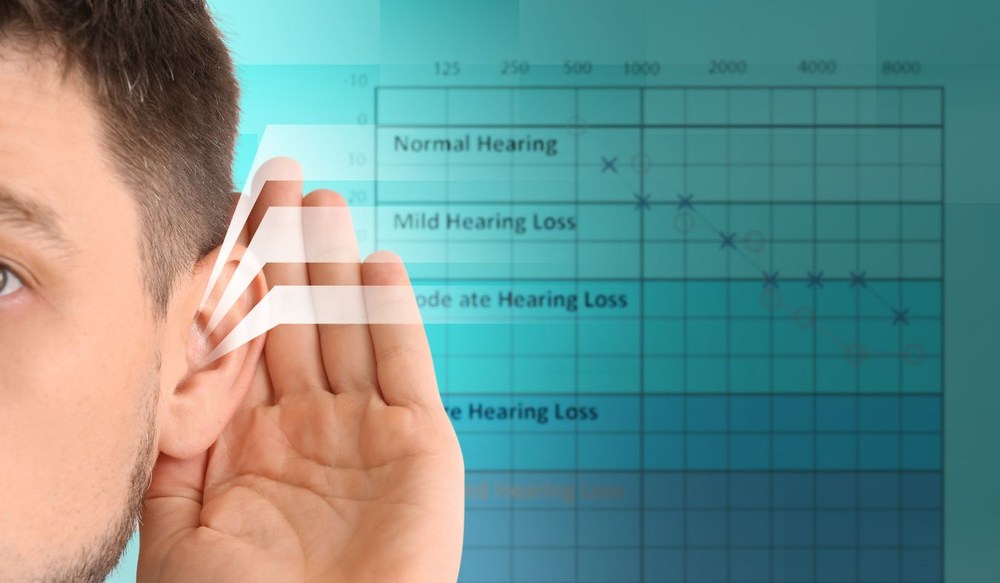
A hearing test looks at more than whether you can hear a beep. It measures the softest sounds you hear across different pitches and checks how clearly you understand speech.
Testing each ear separately also shows whether one side hears differently from the other. Those results explain which parts of the sound are reaching you clearly and where information is getting lost.
Your results give a hearing specialist a starting point for the rest of your care. They show how much sound you need, which speech sounds are hardest to catch and whether the pattern has changed since an earlier test.
Without those measurements, it would be much harder to explain why certain conversations feel different or why one listening situation takes more effort than another.
Quiet places are actually the exception rather than the rule. Most of the conversations you have each day include other sounds competing for your attention, like:
The difference often comes from how well the brain sorts speech from competing noise. Hearing loss may remove small speech details that normally help one voice stand apart from another.
Listening in noise also draws on attention, memory and processing speed. Your brain has to hold part of a sentence while filling in words that were unclear.
That becomes harder when speakers change quickly or several voices have similar pitch and volume. Fatigue, stress and unfamiliar voices may add to the effort, even when the conversation is loud enough to hear.
Two people can sit through the same hearing test and come away with different results even if they notice similar listening challenges at home. Age is one reason.
As we get older, the ears and the brain don’t always process sound the same way they did years earlier. Speech may still be loud enough to hear, but separating words from other sounds often takes more effort, especially when several people are talking.
General health also influences how hearing works. Circulation, diabetes, previous ear infections and some medications may change how sound is processed.
Feeling tired on the day of the appointment may also affect how quickly you respond during parts of the evaluation. Your hearing specialist considers those factors along with the test results when reviewing the evaluation.
A quiet room answers one set of questions about your hearing. Without background noise, your hearing specialist can measure the softest sounds you hear and how clearly you understand speech.
Testing each ear under the same quiet conditions also makes it easier to compare the results from one ear with the other. Noisy settings measure something different.
They show how well you understand speech when other sounds compete for your attention at the same time.
Comparing results from both environments shows whether your hearing changes once background noise is added. It also explains why conversations in busy places can feel different from conversations in quiet rooms.
A little thought before your appointment can make it easier to describe what you’ve been noticing. Think about the places where conversations sound clear and the places where they don’t.
You may hear one person without much trouble but lose track once several people begin talking. Examples like those give your hearing specialist something specific to compare with the test results.
Bring a list of your current medications and mention any recent changes in your health before the evaluation begins.
Previous ear infections, loud noise exposure or a sudden change in your hearing are all details your hearing specialist should know. If you already wear hearing aids or other listening devices, bring them to the appointment so they can be checked if needed.
A hearing test may use beeps, spoken words and recorded sentences because each sound checks something different. Pure tones measure the softest sounds you hear across several pitches.
Speech testing looks at how clearly you recognize words once they are loud enough to hear. Recorded voices also keep the test consistent from one appointment to the next.
Noise is added when your hearing specialist needs to see how well you separate speech from other sounds. You may hear sentences with several voices playing nearby or words mixed with a steady background sound.
Quiet testing shows how each ear responds without competition. Speech-in-noise testing shows what changes once your brain has to sort through more than one sound at a time.
A recommendation isn’t based on one score or one part of the hearing test. Results from quiet and noisy settings are compared to see where listening changes and where it stays dependable.
Someone who hears well in quiet but misses more speech in background noise may have different communication needs than someone whose results are similar in both environments.
Those differences help shape the discussion after the evaluation. Your hearing specialist looks at how each setting reflects the places where you spend your time and what you’re hoping to hear more clearly.
Recommendations may include different hearing technology, specific features, communication strategies or additional testing, depending on what the results from each listening environment show.
You don’t have to leave your appointment with unanswered questions. Before your visit ends, ask your hearing specialist about anything in the results that wasn’t clear to you, including:
Your appointment doesn’t have to be the last time you think about your hearing. Start by using what you learned during your evaluation in the places where listening is most difficult.
If restaurants are your biggest challenge, try choosing a quieter table or sitting where you can see the people you’re talking with.
If family gatherings are harder, let others know it’s easier for you to follow one conversation at a time instead of several happening at once. When hearing technology is part of the recommendation, wear it in a variety of listening situations.
A hearing test answers questions that are difficult to sort out during a busy conversation. Once we compare what happened in the quiet testing room with what happens in restaurants, family gatherings and other noisy places, the results start to fit the way you use your hearing.
That gives us a stronger starting point for knowing where conversations become easier and where they still need more support.
When we review your test, we want them to reflect more than what happened during the appointment. We also want them to match the places where you spend your time and the conversations that matter to you.
You can schedule a hearing evaluation with our team at Blue Ridge Hearing by calling our Black Mountain office at 828-608-3892, our Eden office at 828-392-1981 or our Newton office at 828-809-2176.
Tags: pure tone testing, speech tests
You finish your hearing test and head home. Later, you start thinking
By: admin | July 26, 2026

When exploring hearing care, it is completely natural to wonder how a
By: admin | June 25, 2026
If you wear hearing aids and you’ve booked a winter trip,
By: admin | January 19, 2026