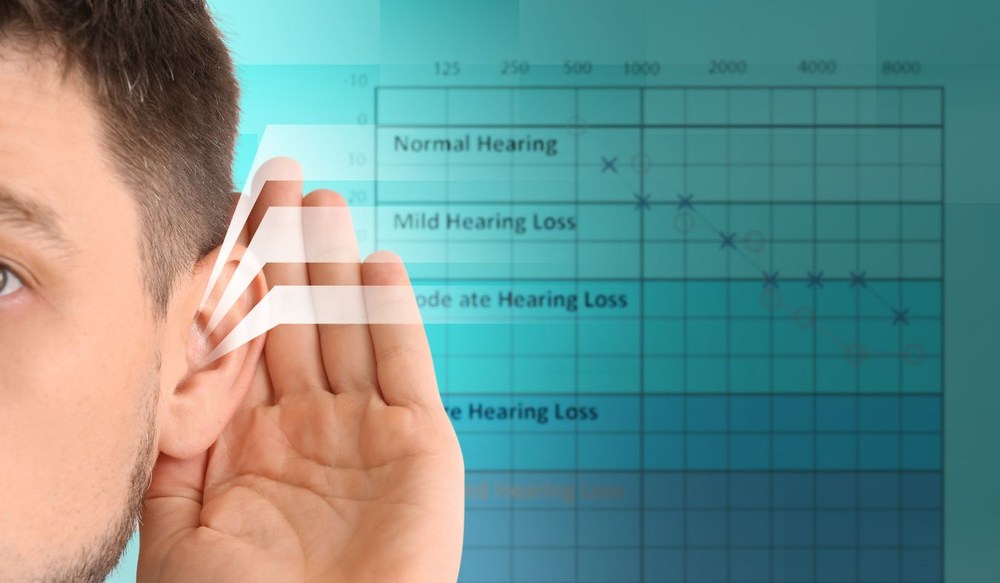
When exploring hearing care, it is completely natural to wonder how a device will impact your appearance. Many look for a custom fit that slips entirely into the ear canal, completely out of sight.
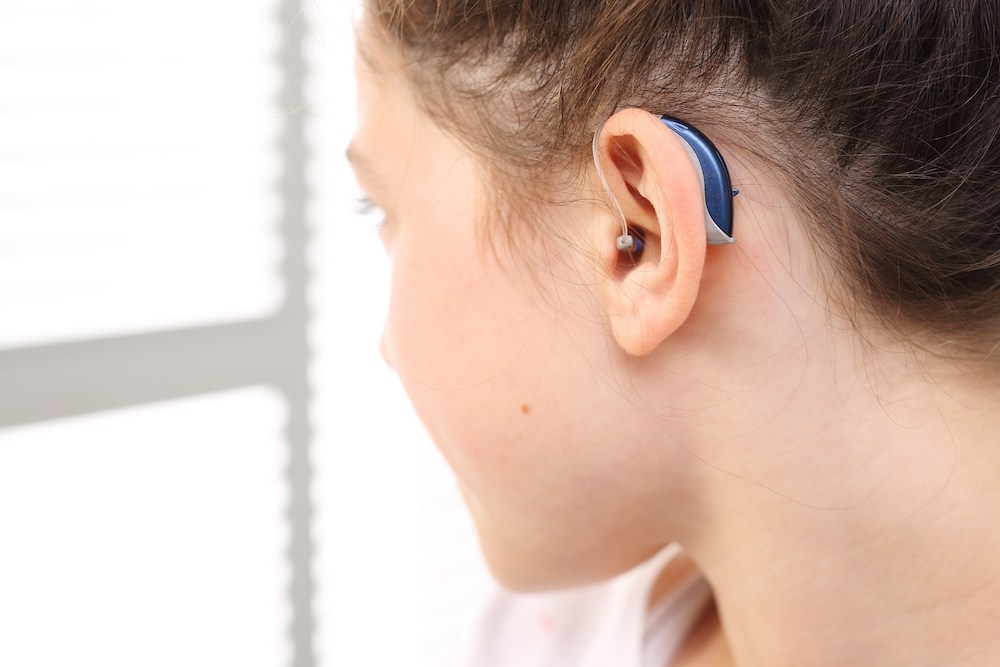
Others lean toward a slim, low-profile style that tucks behind the ear. Modern hearing aids deliver solutions for both preferences.

Today’s designs are smaller, so that they are unnoticeable, unless someone is standing right next to you or looking for them on purpose.

Comfort matters, too. A hearing aid that feels bulky or awkward is hard to ignore during the day. Newer designs are generally smaller than they were in the past, and many use softer materials and more compact housings.

The result is a device that can sit comfortably for hours at a time. For many wearers, the hearing aid becomes less noticeable because it fits well and feels familiar after regular use.

Why Choosing a Discreet Hearing Aid Matters

One of the first questions that comes up when looking at hearing aids is how visible they will be. Hearing aids are worn on or in the ear, so they become part of your appearance.

The size and placement of a hearing aid can impact how comfortable you feel wearing it in different settings. That might include a work meeting, a dinner with friends or a conversation with someone new.

A discreet device gives you more control over how noticeable your device is. Some styles sit deep inside the ear canal, while others are designed to be less visible behind the ear.

The level of visibility matters for different reasons depending on who’s wearing it. Since hearing aids are often worn for long periods, appearance can be just as practical a consideration as comfort, fit and battery life.

Changes in Hearing Aid Design for Subtle Wear

The push toward more subtle hearing aids has influenced nearly every part of their design. Manufacturers have reduced the size of microphones, processors and batteries.

This allows more technology to fit into smaller spaces. Wires have become thinner, casings have become more compact and many styles sit closer to the ear than they once did.

Design changes have affected more than size alone. Some styles sit deeper within the ear canal, while others use smaller external components.

Placement, shape and size now receive as much attention as sound processing and connectivity features. As a result, subtle wear has become an intentional part of hearing aid design rather than an afterthought.

Popular Styles of Hearing Aids with a Low Profile

Several styles are designed with a lower profile in mind. Each approach sets goals differently, which is why size, placement and visibility can vary from one model to another.

Here are some of the most common low-profile styles available today:

    • Invisible in canal (IIC): These are among the smallest hearing aids available. They sit deep inside the ear canal and are typically difficult to see during conversations.
    • Completely in canal (CIC): These models fit entirely within the ear canal. Only a small removal string is usually visible from the outside.
    • In the canal (ITC): Slightly larger than CIC models, ITC hearing aids sit partly within the ear canal and partly within the outer ear. Their larger size allows room for additional features and controls.
    • Receiver in canal (RIC): This style places a small casing behind the ear and a receiver inside the ear canal. A thin wire connects the two components, creating a lower-profile appearance than traditional behind-the-ear designs.

How Color and Material Choices Help Devices Blend In

Many models are available in a range of shades designed to blend more naturally with different skin tones and hair colors.

Manufacturers also use matte finishes, transparent tubing and thinner wires to reduce visual contrast around the ear. These details don’t change how the technology works, but they can influence how visible it is during everyday use.

Custom Fitting for a More Natural Appearance

A custom fit changes how the technology sits in the ear. Instead of relying on a standard shape, it is built around the size and contours of your ear.

That can affect how much is visible from the front, side or behind. When the fit follows the ear more closely, there is often less space between the ear and the casing, creating a more natural appearance.

Fit may also affect how it looks throughout the day. The same model may appear differently from one person to another because ear shapes vary so much.

A closer fit often creates a lower-profile look because it follows the natural lines of the ear rather than sitting away from them. If you’re interested in a discreet appearance, fit is often as noticeable as size, color or style.

Wireless Technology Helping Reduce Device Size

Wireless features have changed how people interact with their hearing technology. Tasks that once required separate accessories or in-office visits can now be handled through a smartphone or wireless connection.

That means fewer visible accessories and less need to make adjustments in the moment. These features can include:

    • Bluetooth connectivity for phone calls and audio streaming.
    • Smartphone apps for volume and setting adjustments.
    • Remote programming by a hearing specialist.
    • Automatic syncing between the left and right sides.
    • Rechargeable technology that reduces battery changes.

Battery Choices That Support Smaller Devices

That relationship affects how compact the final design can be. When comparing low-profile options, battery type and battery size are often connected to the overall dimensions.

Rechargeable and disposable batteries might also affect how the internal components are arranged. Some designs are built around a battery door, while others use a sealed rechargeable system.

Those differences affect the amount of space available inside the casing and can influence the final shape and size. As designs have become smaller, battery technology has remained one of the factors that help determine what is possible.

Balancing Comfort with Keeping Your Device Hidden

A smaller hearing aid isn’t automatically more comfortable. The materials touching your ear matter, especially if you’re wearing them all day.

Soft silicone is often used for domes and earmolds because it flexes with the ear instead of pressing against it. Lightweight plastics help reduce overall weight, which can make a difference after several hours of wear.

The materials also affect how closely the hearing aid sits against the ear. Softer components can create a closer fit without adding pressure, while custom molds are shaped to match the ear itself.

That fit can influence how much of the hearing aid is visible from different angles. If you’re looking for a more unnoticeable appearance, comfort and fit are often connected.

Talking to Your Hearing Specialist About Discreet Devices

A hearing specialist can connect the idea of a discreet device to the parts that affect fit, comfort and daily wear. Size is only one piece.

Ear shape, hearing levels, dexterity, battery needs and features can all affect which styles are realistic. A model that looks small online may feel different once it is fitted and worn.

This conversation also helps separate appearance from function. A discreet option still has to match the way you hear, communicate and use technology each day.

Your hearing specialist can explain what each style can support without treating visibility as the only factor. That gives you a clearer view of which options match both your hearing needs and your comfort with how the device looks.

Important Questions When Picking a Low-Profile Model

A low-profile model can look very different from one person to another. Before making a decision, it’s helpful to understand how size, fit and features may affect what is available to you.

Some helpful questions to ask include:

  • How visible will the model be when worn?
  • How does the fit compare to other low-profile options?
  • What battery type does it use?
  • Which wireless features are available?
  • Is the model available with a custom fit?
  • How easy is it to insert and remove?
  • What maintenance and cleaning requirements should I expect?
  • How does the size affect available features?

Finding the Right Discreet Hearing Aid for Your Needs

Fit and appearance deserve consideration when you’re choosing a hearing aid. They can also be revisited if you’ve been wearing the same device for a few years.

The options available now look and feel very different from what was on the market five years ago. If comfort has been holding you back from seeking hearing care, that’s something to discuss during your appointment.

We make it easy to find a time and place that works for you. If you have any questions about discreet models available, our team is here to help you find the right solution for you.

You can contact Blue Ridge Hearing in Black Mountain, NC at 828-608-3892, in Eden at 828-392-1981 or in Newton at 828 809-2176.